Fiberglass & Vinyl-Liner
Fiberglass & Vinyl-Liner Pool Removal in Bakersfield, CA
Lighter shells require different removal logistics. Fiberglass and vinyl-liner pools may be lifted or sectioned, while permitting, backfill, and compaction still matter.
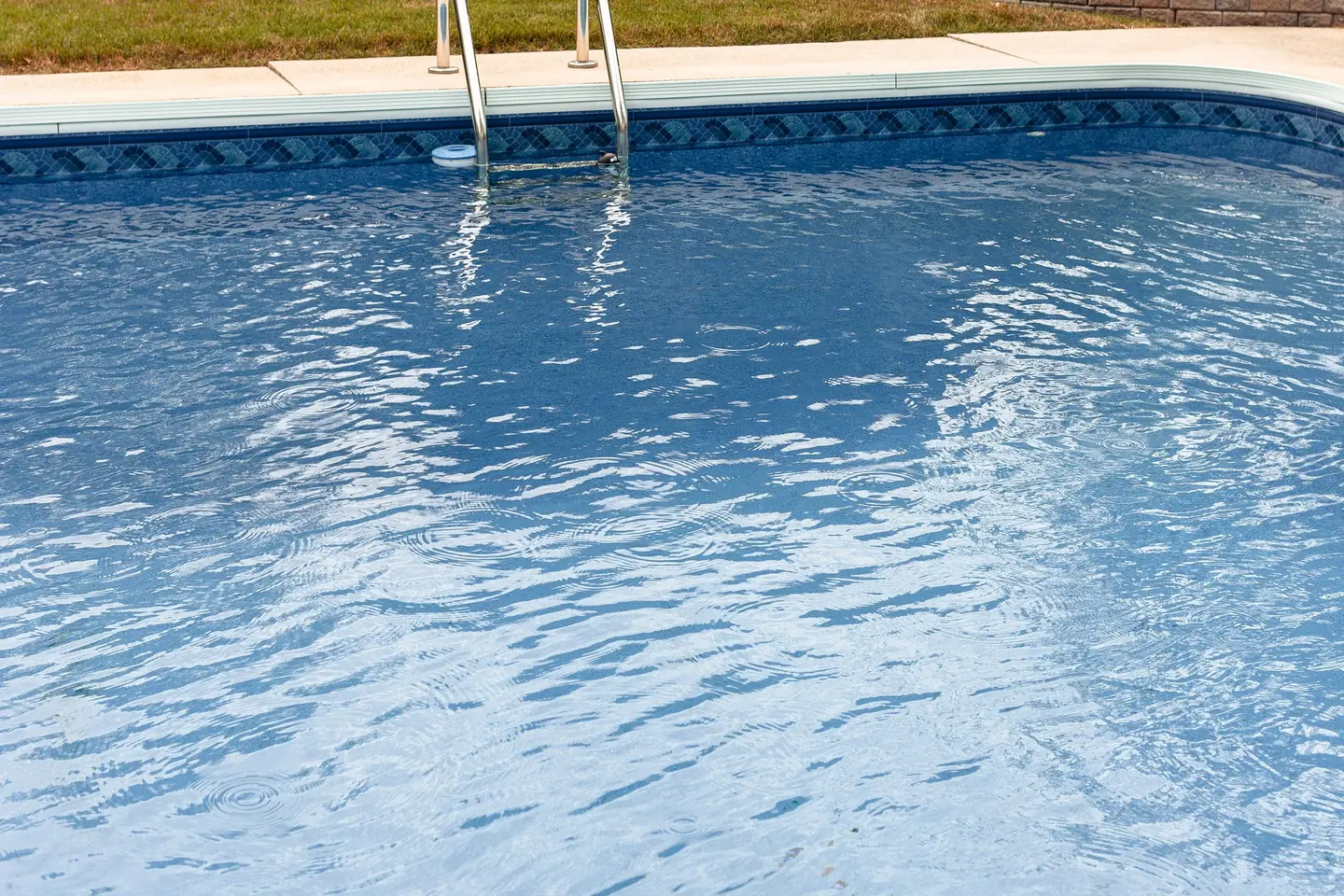
Fiberglass: one-piece shells, sectioned or lifted
A fiberglass pool is manufactured off-site as a single molded shell and dropped into an excavated hole, rather than built in place. That construction method matters for removal too: on a smaller shell with clear crane or excavator access, contractors can sometimes lift the whole shell out close to intact. More often — especially on larger shells or lots with limited access — the fiberglass is cracked into manageable sections first, then hauled away like any other demolition debris.
Vinyl-liner: liner, panels, and a base — not a solid shell
A vinyl-liner pool isn’t a single structural shell at all. It’s a liner (the waterproof membrane) held in place by wall panels — often steel, aluminum, or resin — over a sand or vermiculite base. Removal means draining the pool, removing the liner, dismantling the wall panels, and clearing the base material, which is typically less labor-intensive than breaking up a bonded concrete shell.
What doesn’t change by material
Regardless of shell type, you’re still choosing between full removal and a fill-in, still subject to the same permitting confirmation with your city or Kern County, and still relying on proper backfill and compaction to avoid future settling. Material mainly affects the demolition and disposal step — see the cost guide for how that shows up in planning-range pricing.
Good questions to ask a contractor
- Whether your shell will be extracted intact or sectioned, and what that means for equipment access
- How liner material, wall panels, and base material are disposed of
- Whether their backfill and compaction approach is the same regardless of shell type
- Realistic timeline given your specific pool size and site access
Frequently asked questions
Can a fiberglass pool shell be removed in one piece?
Sometimes, on smaller shells with good crane or equipment access — the whole shell is lifted out largely intact. More often, especially on larger pools or tight-access lots, the shell is cracked into sections first so it can be maneuvered out and hauled away.
Is a vinyl-liner pool easier to remove than concrete?
Generally the demolition step is less labor-intensive, since there’s no rebar to cut and no thick shell to hammer apart — the liner comes out, and the wall panels and base are dismantled rather than fractured. But site access, backfill, and compaction still take the same care as any other pool type.
Does full removal vs. fill-in still apply to fiberglass and vinyl pools?
Yes — the full-removal-versus-fill-in decision is about what happens to the excavation afterward, not the shell material. See our full removal and fill-in pages for that comparison; this page focuses on what’s specific to fiberglass and vinyl-liner shells.
What should I ask a contractor about a fiberglass or vinyl pool removal?
Ask how they plan to extract the shell (intact vs. sectioned), what equipment access your lot allows, how liner and wall-panel material is disposed of, and whether their quote includes backfill and compaction to the same standard as a concrete removal.
Get a fiberglass or vinyl-liner removal estimate
Tell us your shell type and access details — we’ll route your request to contractors experienced with lighter-shell removal.