Fill-In / Partial Removal
Pool Fill-In & Partial Removal in Bakersfield, CA
A faster path to a usable backyard. Fill-in removal trades some future flexibility for a quicker, typically lower-cost project for owners who aren’t planning to build over the site.
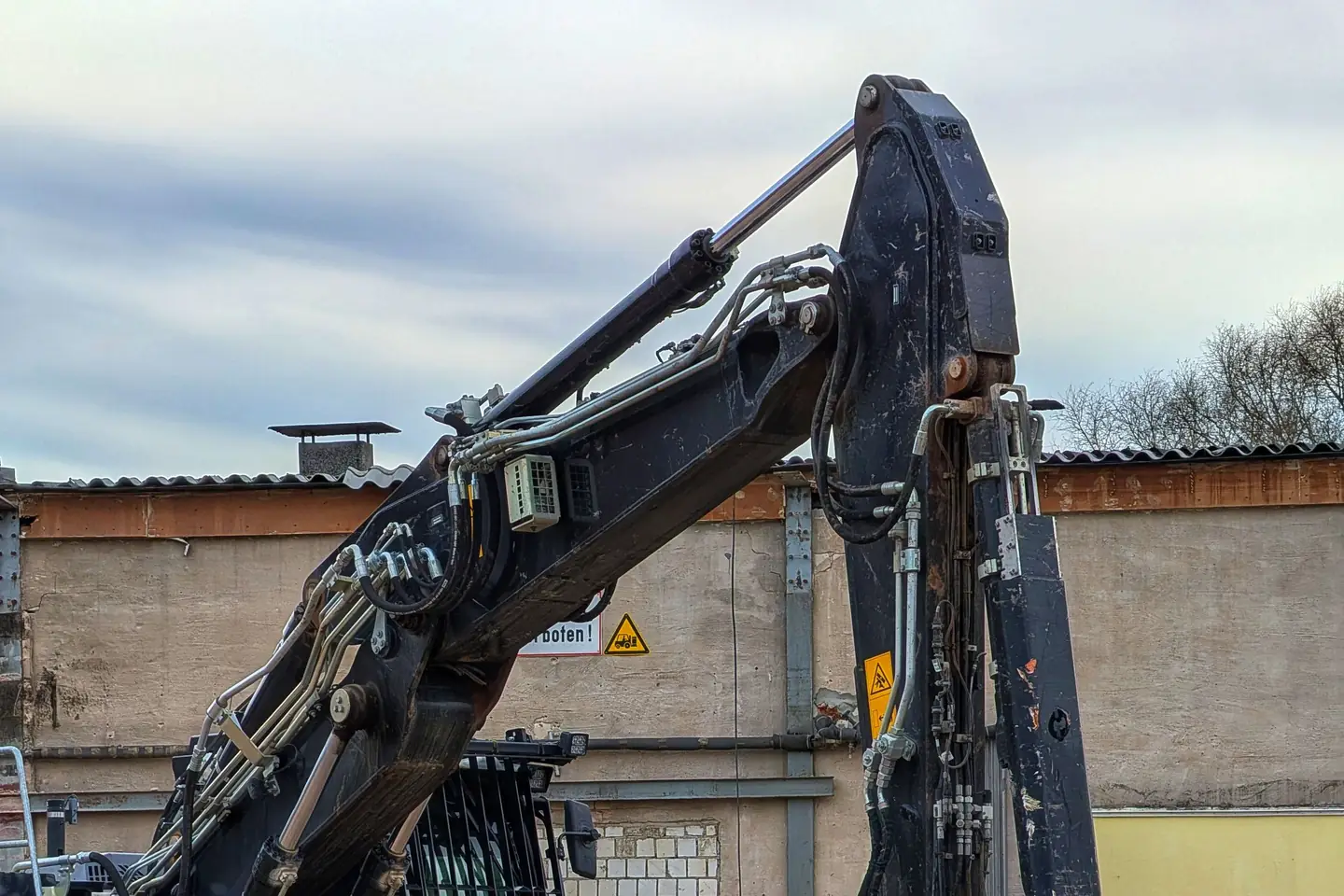
How a fill-in works
Rather than excavating and hauling off the entire pool shell, a fill-in leaves most of the structure in place. The floor is broken up or perforated to allow drainage so groundwater doesn’t collect and pool beneath the fill. The top portion of the walls — typically down to a foot or two below grade — is removed, and the remaining basin is backfilled with material and compacted.
Whether any demolished shell can remain in the cavity is a separate approval and specification question, not something to assume from the phrase “partial removal.” Review the planning guide on using broken pool concrete as fill before comparing proposals that handle rubble differently.
Because less material is demolished and hauled away, fill-ins are generally quicker and less expensive than full removal. The tradeoff is that the site usually isn’t considered suitable for building structures on top of later, and some jurisdictions require the fill-in to be disclosed as part of property records. If a future sale is part of your decision, review our guide to selling a house with a filled-in pool before choosing a method or discarding project records.
Good fit for
- Homeowners prioritizing cost and speed over future buildability
- Yards being converted to lawn, garden, or general open space (not structures)
- Properties where full excavation access is difficult or expensive
Worth confirming before you choose fill-in
- How the fill-in will be documented with your local building department, if at all
- Whether it needs to be disclosed at resale in your specific jurisdiction
- What backfill material and compaction standard the contractor plans to use
- Whether you might want to build over the area in the future — if there’s any chance, compare against full removal
Fill-in applies the same way whether your shell is concrete or gunite or fiberglass or vinyl-liner — the material mostly changes how much floor-breaking is needed, not whether fill-in is an option. If you also want surrounding decking addressed, see deck & surrounding-concrete demolition.
Frequently asked questions
Is a fill-in the same as “filling a pool with dirt”?
Not quite. A proper fill-in involves perforating the pool floor for drainage (so water can’t collect and pool underneath), removing the upper portion of the walls below grade, and then backfilling and compacting the remaining shell — not simply dumping fill on top of an intact pool.
Will a fill-in show up on property records?
In many areas, a permitted fill-in is recorded and may need to be disclosed when you sell the property. Practices vary by jurisdiction, and this is worth asking your contractor and, if relevant, a real estate professional about directly.
Can I build on top of a fill-in later?
Generally, fill-ins are not considered suitable for building load-bearing structures on top of, because the remaining shell and surrounding backfill don’t compact the same way a fully excavated and backfilled site does. If future construction is likely, full removal is usually the safer starting point — confirm with a structural or geotechnical professional either way.
Does a fill-in cost less than full removal?
Generally yes, since less material needs to be broken up and hauled away, but exact savings depend on your specific pool and site. See the cost guide for planning ranges, and get a contractor quote for your actual property.
Compare fill-in pricing for your pool
Tell us your pool type and access details — local contractors can confirm whether fill-in is a good fit for your site.