Full Removal
Full Pool Removal in Bakersfield, CA
Complete demolition and haul-off, done to build on. When you want the entire shell gone and a solid, buildable lot behind it, full removal is the more thorough approach.
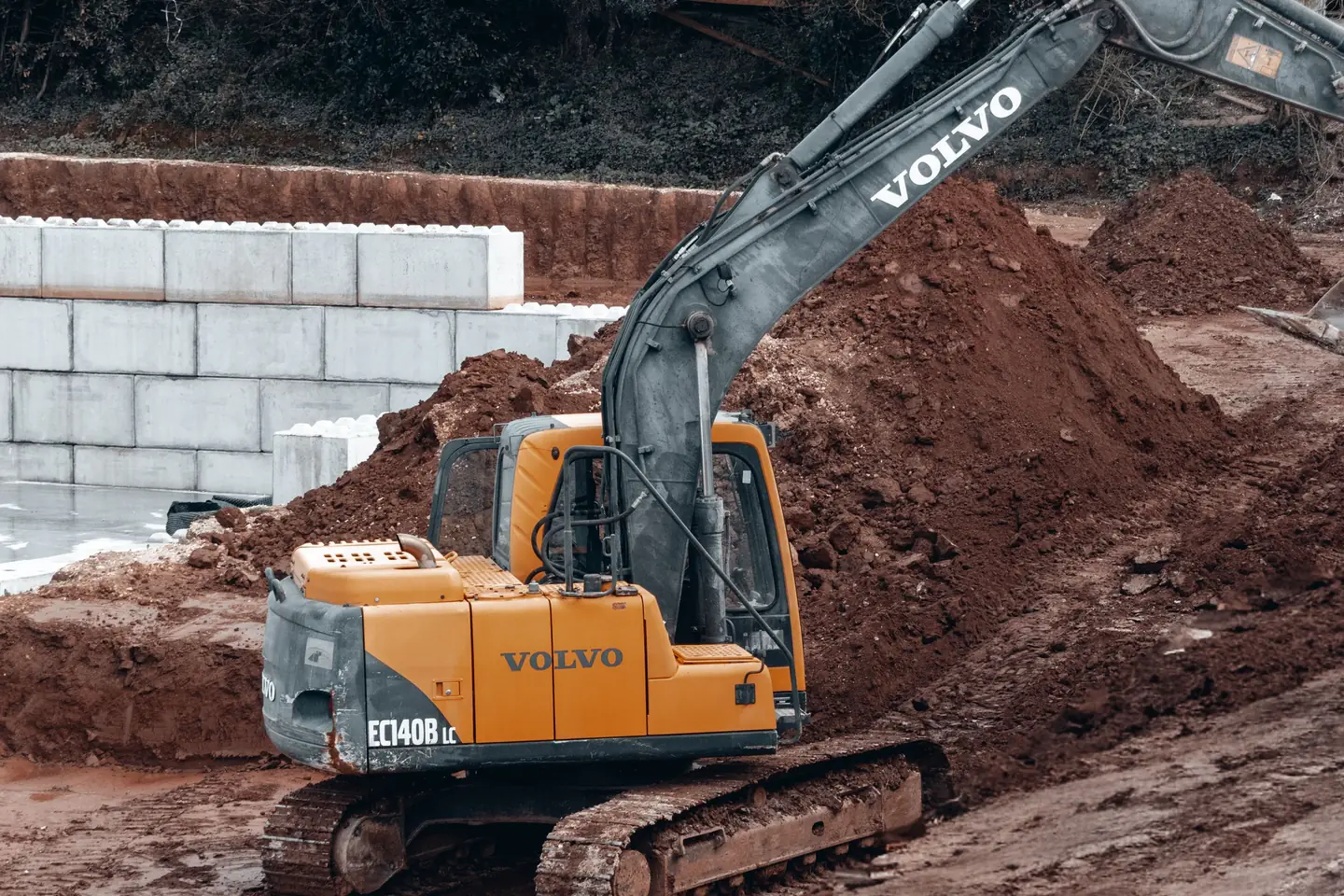
What full removal actually involves
Full removal means the entire pool shell — floor, walls, and any surrounding bond beam — is broken up and hauled off site, not just partially demolished and buried. The excavation is then backfilled with appropriate material and compacted in controlled lifts. Our guide to pool removal backfill and compaction explains the material, moisture, testing, and records behind that step.
This is the more involved and typically more expensive of the two demolition approaches, but it’s generally the starting point contractors recommend if you plan to build a structure, patio, or anything load-bearing over the old footprint later.
If a backyard dwelling is the goal, review the planning questions in our guide to building an ADU over a former pool before finalizing the demolition and backfill scope.
If the pool shares a wall, deck, or equipment with a spa, use our guide to pool removal with an attached spa to define what stays, what goes, and how the connected systems are handled.
When the shell is close to the home, review pool removal near a house foundation before choosing the demolition sequence, equipment, and backfill plan.
Final grade and surface use matter too. Our guide to planning drainage after pool removal explains how to review runoff paths, compacted fill, irrigation, and the planting layer before restoring the yard.
Typical steps
- Site evaluation for access, utilities, and disposal logistics
- Permit application with the relevant city or Kern County building department
- Draining the pool through an approved route and documenting how pool plumbing and equipment will be disconnected or removed
- Demolition of the shell — heavier equipment for concrete/gunite, lighter methods for vinyl or fiberglass
- Haul-off of debris to an appropriate disposal or recycling facility
- Backfill with engineered material, compacted in lifts
- Final grading and, where required, a closing inspection
Full removal vs. fill-in
If cost or timeline is the deciding factor and you’re not planning to build over the site, a fill-in / partial removal may be worth comparing. If your pool shell is gunite, shotcrete, or poured concrete, see our concrete & gunite removal page for material-specific detail, or fiberglass & vinyl-liner removal if that’s a closer match to your pool. If you also need decking, coping, or an equipment pad removed, see deck & surrounding-concrete demolition. For planning-stage numbers, the cost guide breaks down typical ranges by pool type and approach.
Frequently asked questions
How deep does the excavation go for a full pool removal?
Contractors typically excavate at least a couple of feet below the original pool floor to place engineered fill and compact it properly, though the exact depth depends on your soil, the pool’s original depth, and what you plan to build over the site later. A contractor’s site evaluation will confirm specifics.
Can I build a structure over a fully removed pool?
Full removal with proper backfill and compaction is generally the safer starting point if you plan to build over the footprint, but any structure — especially anything load-bearing — should be reviewed by a geotechnical or structural professional first, since settling risk depends on the fill and compaction method used.
What happens to the old pool equipment and decking?
Pumps, filters, heaters, and surrounding decking or coping are usually handled separately from the shell demolition itself. Confirm with your contractor whether equipment removal and decking demolition are included in your quote or scoped separately.
Do I need a permit for full pool removal?
Most jurisdictions require a permit and at least one inspection for pool demolition, but exact rules differ between Bakersfield city limits, other incorporated cities, and unincorporated Kern County. Confirm current requirements with the relevant building department before scheduling work.
Get a full-removal estimate
Share your pool type, access constraints, and ZIP code — we’ll review your request for possible matching with local contractors who handle full removal.